

Can an ice cube machine be used with a generator?
Sep 18, 2025
As a seasoned supplier of ice cube machines, I often encounter a common question from customers: Can an ice cube machine be used with a generator? This is a crucial query, especially for those in areas prone to power outages or for events held in remote locations where a stable power grid is unavailable. In this blog post, I'll delve into the technical aspects, considerations, and practicalities of using an ice cube machine with a generator.
Understanding the Power Requirements of Ice Cube Machines
Before we explore the compatibility with generators, it's essential to understand the power needs of ice cube machines. Ice cube machines, like any other electrical appliance, require a specific amount of power to operate efficiently. This power requirement is typically measured in watts (W) or kilowatts (kW).
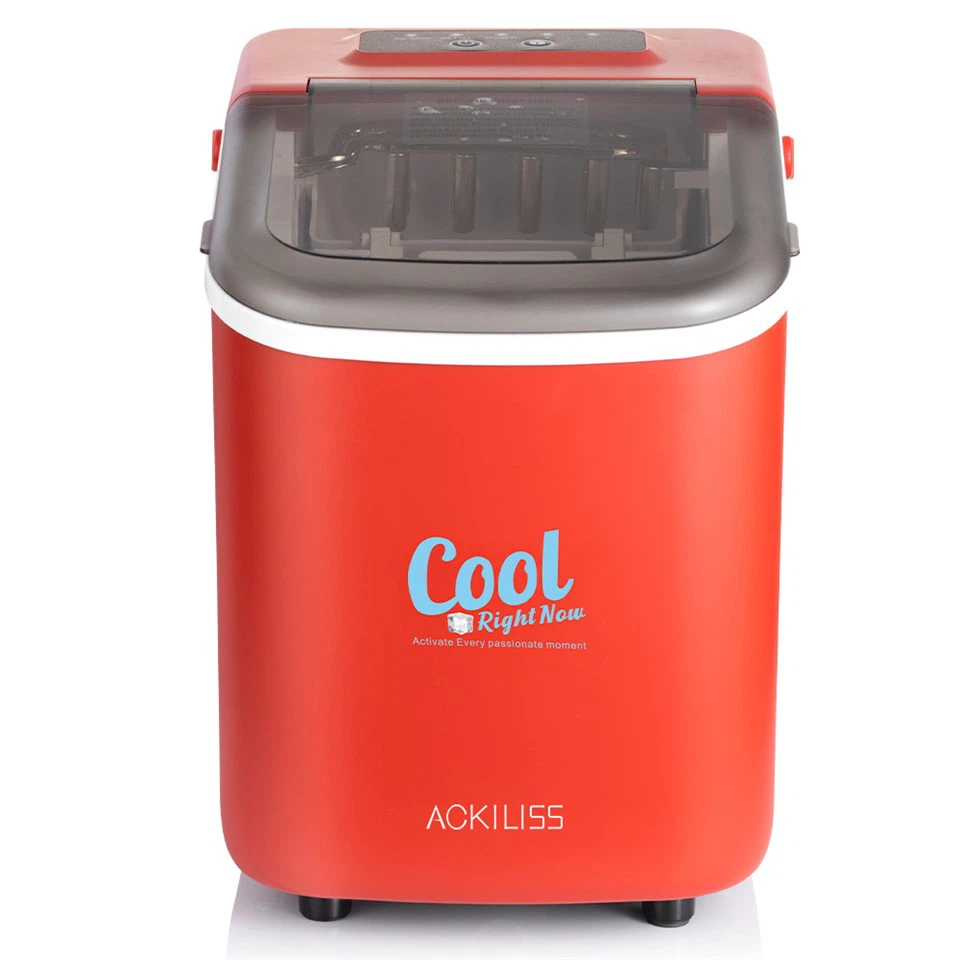
The power consumption of an ice cube machine can vary significantly depending on its size, type, and production capacity. For instance, smaller, Compact Home Ice Machine Bullet designed for home use may have a lower power consumption, usually ranging from 100 to 300 watts. On the other hand, larger, commercial-grade ice cube machines, such as the Household Automatic Ice Cube, can consume anywhere from 500 watts to several kilowatts, depending on their ice production rate.
Factors to Consider When Using a Generator with an Ice Cube Machine
Generator Capacity
The most critical factor to consider is the capacity of the generator. The generator must be able to supply enough power to meet the ice cube machine's starting and running requirements. When an ice cube machine starts up, it typically requires a higher surge of power, known as the starting wattage, compared to its running wattage. This surge is necessary to overcome the initial inertia of the compressor and other components.
For example, if an ice cube machine has a running wattage of 200 watts but a starting wattage of 600 watts, you'll need a generator that can handle at least 600 watts to start the machine and 200 watts to keep it running. It's always a good idea to choose a generator with a slightly higher capacity than the maximum power requirement of the ice cube machine to account for any additional electrical loads or potential power fluctuations.
Generator Type
There are different types of generators available, including portable generators, inverter generators, and standby generators. Each type has its own advantages and disadvantages when it comes to powering an ice cube machine.
- Portable Generators: These are the most common type of generators and are relatively affordable. They are suitable for small to medium-sized ice cube machines and are ideal for temporary use, such as during outdoor events or power outages. However, portable generators may produce a less stable power output, which can potentially damage sensitive electronic components in the ice cube machine.
- Inverter Generators: Inverter generators are more expensive but offer a cleaner and more stable power output. They are designed to produce a pure sine wave, which is similar to the power supplied by the grid. This makes them a better choice for powering sensitive electrical equipment, including ice cube machines with advanced electronic controls.
- Standby Generators: Standby generators are permanently installed and automatically turn on when there is a power outage. They are typically larger and more powerful than portable and inverter generators and are suitable for powering commercial ice cube machines and other critical electrical systems in a building.
Power Quality
In addition to the generator's capacity and type, the quality of the power output is also crucial. Ice cube machines, especially those with electronic controls and sensors, require a stable and clean power supply to operate correctly. Poor power quality, such as voltage fluctuations, frequency variations, or electrical noise, can cause malfunctions, damage the machine's components, and reduce its lifespan.
To ensure a stable power supply, it's recommended to use a generator with a voltage regulator and a clean power output. Some generators also come with built-in surge protectors and filters to protect the connected equipment from power surges and electrical interference.
Practical Tips for Using an Ice Cube Machine with a Generator
Proper Installation and Setup
When using a generator to power an ice cube machine, it's essential to follow the manufacturer's instructions for installation and setup. Make sure the generator is placed in a well-ventilated area away from the ice cube machine and any flammable materials. Connect the ice cube machine to the generator using a suitable power cord with the correct amperage rating.
Regular Maintenance
Both the ice cube machine and the generator require regular maintenance to ensure optimal performance and reliability. Follow the maintenance schedule recommended by the manufacturer for both the ice cube machine and the generator. This may include tasks such as oil changes, filter replacements, and inspections of the electrical connections.
Testing and Monitoring
Before relying on the generator to power the ice cube machine during a power outage or at an event, it's a good idea to test the setup to ensure everything is working correctly. Start the generator and let it warm up for a few minutes before connecting the ice cube machine. Monitor the power output of the generator and the operation of the ice cube machine to ensure there are no issues.
Conclusion
In conclusion, an ice cube machine can be used with a generator, but it's essential to consider the power requirements, generator capacity, type, and power quality. By choosing the right generator and following the proper installation and maintenance procedures, you can ensure that your ice cube machine operates efficiently and reliably, even in the absence of a stable power grid.

If you're in the market for an ice cube machine or have any questions about using a generator with an ice cube machine, please don't hesitate to contact us for more information and to discuss your specific needs. We're here to help you find the best solution for your ice production requirements.
References
- Manufacturer's manuals for ice cube machines and generators
- Electrical engineering textbooks and resources on power systems and electrical appliances