

How accurate are kitchen scales?
Oct 13, 2025
In the world of cooking and baking, precision is key. A small discrepancy in the amount of an ingredient can significantly alter the outcome of a dish, turning a culinary masterpiece into a disappointing flop. This is where kitchen scales come into play. As a kitchen scale supplier, I've witnessed firsthand the importance of these devices in both professional kitchens and home cooking setups. But the question remains: How accurate are kitchen scales?
Understanding the Basics of Kitchen Scale Accuracy
Accuracy in a kitchen scale refers to how closely the measured value corresponds to the true value of the object being weighed. For example, if you place a 500 - gram weight on a scale, and the scale reads 500 grams, it is considered accurate. However, achieving this level of precision is not always straightforward.
There are several factors that can affect the accuracy of a kitchen scale. One of the primary factors is the quality of the load cell, which is the component responsible for measuring the weight. High - quality load cells are more sensitive and can provide more accurate readings. Cheaper scales may use lower - quality load cells, which can lead to errors in measurement.
Another factor is the calibration of the scale. Over time, scales can become misaligned, especially if they are dropped or subjected to rough handling. Regular calibration is essential to ensure that the scale continues to provide accurate readings. Some scales come with built - in calibration features, while others may require professional calibration.
Types of Kitchen Scales and Their Accuracy
There are different types of kitchen scales available on the market, each with its own level of accuracy.
Digital Kitchen Scales
Digital kitchen scales are the most common type of scales used in kitchens today. They offer several advantages, including high accuracy, easy readability, and the ability to measure in different units (such as grams, ounces, pounds, etc.).
Most digital kitchen scales have an accuracy of ±0.1 grams for small weights (up to around 100 grams) and ±1 gram for larger weights. This level of accuracy is sufficient for most home cooking and baking needs. For example, when measuring small amounts of spices or flavorings, an accuracy of ±0.1 grams can make a big difference in the taste of the final dish.
However, the accuracy of digital scales can vary depending on the brand and model. Higher - end digital scales may offer even greater accuracy, with some capable of measuring to within ±0.01 grams. These scales are often used in professional bakeries and laboratories where extreme precision is required.
Mechanical Kitchen Scales
Mechanical kitchen scales, also known as balance scales, use a system of weights and levers to measure the weight of an object. They are generally less accurate than digital scales, with an accuracy of around ±5 grams.
Mechanical scales are more prone to wear and tear, and their accuracy can be affected by factors such as the alignment of the levers and the condition of the weights. They also require more skill to use, as the user needs to adjust the weights manually to achieve a balance.

Despite their lower accuracy, mechanical scales still have their place in the kitchen. They are often more affordable than digital scales and do not require batteries, making them a good option for those on a budget or in areas with unreliable power supply.
Real - World Testing of Kitchen Scale Accuracy
To get a better understanding of the accuracy of kitchen scales, I conducted a series of tests on different models of scales. I used a set of calibrated weights ranging from 10 grams to 1000 grams to test the accuracy of each scale.
I found that most of the mid - range digital scales performed well, with readings within the specified accuracy range. However, there were some exceptions. A few of the cheaper digital scales showed significant errors, especially when measuring small weights. For example, one scale that was supposed to have an accuracy of ±0.1 grams for small weights was off by as much as 0.3 grams.
The mechanical scales, as expected, were less accurate. They consistently showed errors of around 5 grams or more, regardless of the weight being measured.
Ensuring the Accuracy of Your Kitchen Scale
As a kitchen scale supplier, I always recommend that customers take steps to ensure the accuracy of their scales. Here are some tips:
- Choose a high - quality scale: Invest in a reputable brand and model that offers good accuracy. Look for scales with high - quality load cells and positive customer reviews.
- Calibrate regularly: Follow the manufacturer's instructions for calibrating your scale. This may involve using a calibration weight or following a specific calibration procedure.
- Handle with care: Avoid dropping or rough handling your scale, as this can cause misalignment and affect its accuracy.
- Keep it clean: A dirty scale can also affect its accuracy. Wipe the scale regularly with a clean, dry cloth to remove any debris or spills.
The Role of Kitchen Scales in Different Cooking Styles
The accuracy of kitchen scales plays a crucial role in different cooking styles.
Baking
In baking, precision is of utmost importance. Baked goods are highly sensitive to the amount of ingredients used. For example, too much flour can make a cake dry and dense, while too little can result in a flat and soggy cake. A kitchen scale with high accuracy is essential for measuring ingredients such as flour, sugar, and butter precisely.
Cooking
In cooking, while some recipes may be more forgiving, accurate measurements can still make a difference. For example, when making a sauce or a marinade, the right balance of ingredients can enhance the flavor. A scale can help ensure that you are using the correct amount of each ingredient, resulting in a more consistent and delicious dish.
Our Stainless Steel Kitchen Scale
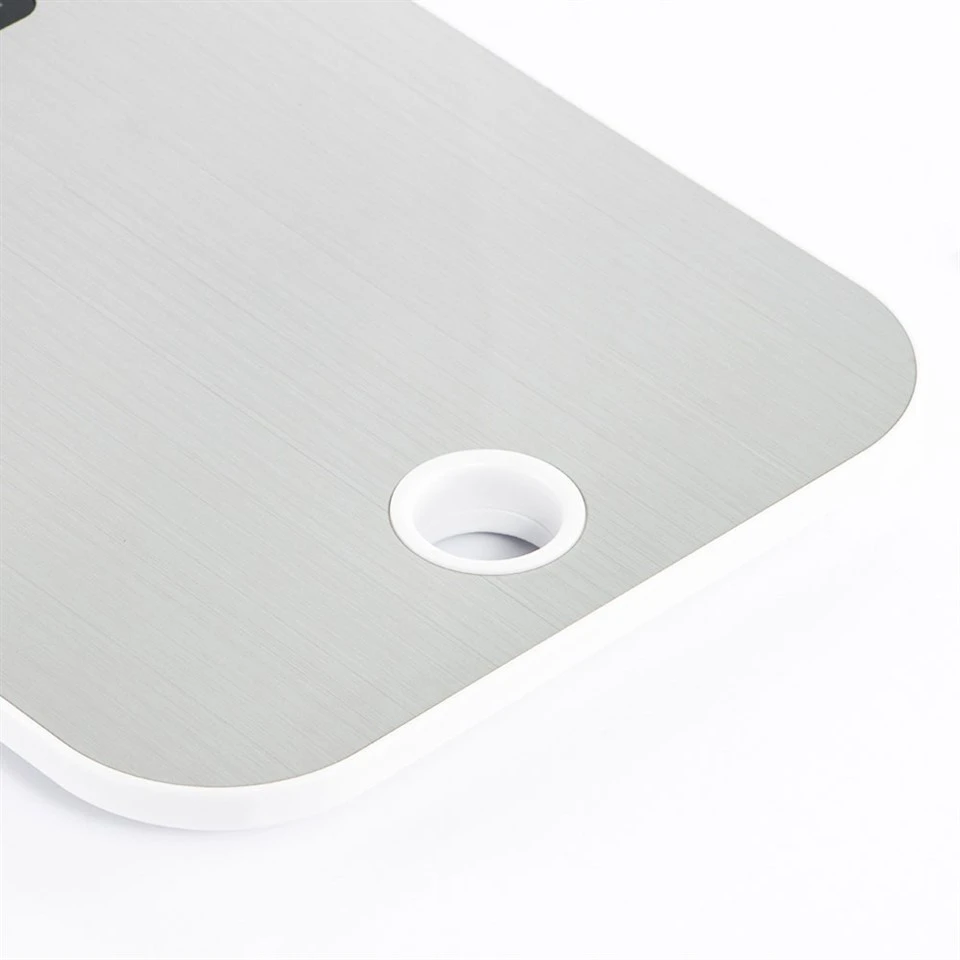
If you're in the market for a high - quality kitchen scale, I'd like to introduce our Stainless Steel Kitchen Scale. This scale is made of durable stainless steel, which not only looks great in the kitchen but also ensures long - lasting performance.
It offers high accuracy, with an accuracy of ±0.1 grams for small weights and ±1 gram for larger weights. The digital display is easy to read, and it can measure in multiple units, making it suitable for a wide range of cooking and baking needs.
Contact Us for Procurement
If you're interested in purchasing our kitchen scales for your home, restaurant, or business, we'd love to hear from you. Whether you're a professional chef looking for a reliable scale for your kitchen or a home cook who wants to take your culinary skills to the next level, our team is ready to assist you. Contact us to discuss your requirements and get a quote.
References
- "The Science of Cooking: Understanding the Biology and Chemistry Behind Food and Cooking" by Robert L. Wolke
- "Cook's Illustrated" magazine, various issues on kitchen equipment reviews