

How do I check the calibration of a kitchen scale?
Nov 18, 2025
Hey there! As a kitchen scale supplier, I often get asked about how to check the calibration of a kitchen scale. It's a crucial thing to do, especially if you're into precise cooking or baking. A well - calibrated scale ensures that you're using the right amount of ingredients, which can make or break a recipe. So, let's dive right in and talk about how you can check the calibration of your kitchen scale.
Why Calibration Matters
First off, why should you even bother with calibration? Well, over time, kitchen scales can lose their accuracy. Things like normal wear and tear, being dropped (even a small fall can mess things up), or just general use can cause the internal components to shift a bit. If your scale isn't calibrated correctly, you might end up adding too much or too little of an ingredient. For example, in baking, adding an extra tablespoon of flour can make your cake dry and crumbly. So, regular calibration is like giving your scale a little health check - up.
What You'll Need
Before you start the calibration process, you'll need a few things. The most important one is a calibration weight. You can buy these online or at some kitchen supply stores. A common calibration weight is 500 grams or 1000 grams. If you don't have a calibration weight, you can use some common household items as a substitute. Coins are a good option. In the US, a nickel weighs about 5 grams. So, if you use 100 nickels, you'll have approximately 500 grams. However, keep in mind that using coins is not as accurate as using a proper calibration weight.
Step - by - Step Calibration Process
Step 1: Find a Stable Surface
Place your kitchen scale on a flat, stable surface. A wobbly or uneven surface can affect the accuracy of the scale. It's best to use a countertop or a table that doesn't vibrate easily. Avoid placing it on a soft surface like a towel or a rug, as this can also cause inaccurate readings.
Step 2: Turn on the Scale
Most modern kitchen scales turn on automatically when you place something on them. But if yours has an on/off button, press it to turn it on. Wait for the scale to stabilize and show a zero reading. If it doesn't show zero, there might be some debris on the weighing platform. Wipe it clean and try again.
Step 3: Enter Calibration Mode
This step can vary depending on the model of your scale. Some scales have a dedicated calibration button. You might need to press and hold it for a few seconds until the display shows something like "CAL" to indicate that it's in calibration mode. Other scales might require you to follow a specific sequence of button presses. Check the user manual that came with your scale for the exact instructions.
Step 4: Place the Calibration Weight
Once your scale is in calibration mode, carefully place the calibration weight on the center of the weighing platform. Make sure it's not touching the edges or any other objects. Wait for the scale to display a stable reading. If the reading is close to the actual weight of the calibration weight, say within a few grams, then your scale is probably calibrated correctly.
Step 5: Adjust if Necessary
If the reading is way off, your scale might need adjustment. Some scales allow you to adjust the calibration manually. There could be a small screw or a button that you can use to increase or decrease the reading. Again, refer to the user manual for the specific adjustment process. If you're not comfortable doing this yourself, you can contact the manufacturer for further assistance.
Step 6: Test with Different Weights
After you've calibrated the scale with the calibration weight, it's a good idea to test it with a few different weights. You can use some common kitchen items like a can of soup or a bag of sugar. Check if the readings are accurate. If they're not, you might need to repeat the calibration process.
Using Our Stainless Steel Kitchen Scale
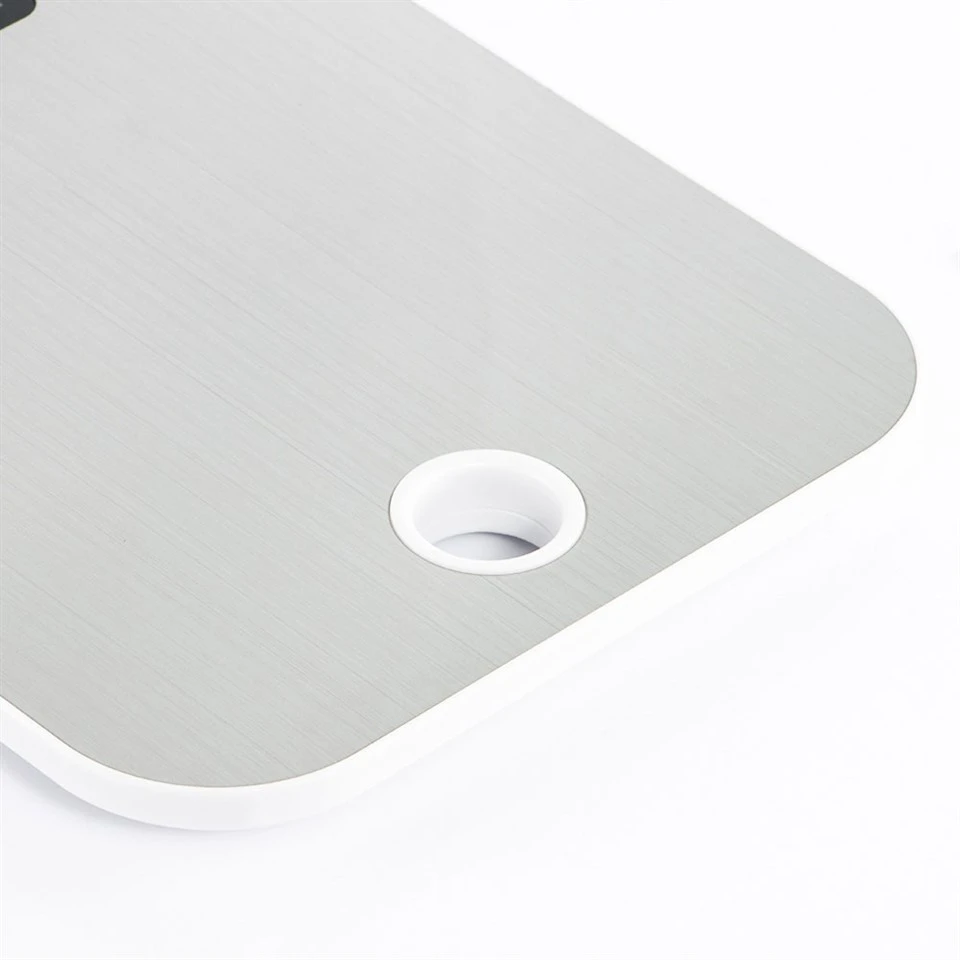
If you're in the market for a new kitchen scale, I'd like to recommend our Stainless Steel Kitchen Scale. It's made of high - quality stainless steel, which not only looks great in your kitchen but is also very durable. This scale has a large, easy - to - read display and is very accurate. It also has a tare function, which allows you to zero out the weight of a container so that you can measure only the ingredients inside.
When to Calibrate
So, how often should you calibrate your kitchen scale? It depends on how often you use it. If you use your scale every day, it's a good idea to calibrate it once a month. If you use it less frequently, say once a week, then calibrating it every three months should be sufficient. Also, if you notice that the readings seem off or if you've dropped the scale, you should calibrate it right away.
Troubleshooting
Sometimes, even after following all the calibration steps, you might still have issues with your scale. Here are some common problems and how to fix them.
- Scale not turning on: Check the batteries. If they're low or dead, replace them. Make sure the battery contacts are clean and free of corrosion.
- Inaccurate readings even after calibration: There could be a problem with the internal components of the scale. Contact the manufacturer for repair or replacement options.
- Display is fuzzy or hard to read: Clean the display with a soft, dry cloth. If the problem persists, it might be a sign of a more serious issue, and you should contact the manufacturer.
Conclusion
Checking the calibration of your kitchen scale is an important part of maintaining its accuracy. By following the steps I've outlined above, you can ensure that your scale is always giving you the right readings. And if you're looking for a reliable kitchen scale, don't forget to check out our Stainless Steel Kitchen Scale.

If you're interested in purchasing our kitchen scales in bulk for your business or just have some questions about our products, we'd love to hear from you. Feel free to reach out to us for a friendly chat about your needs and how we can help. We're always here to assist you in finding the perfect kitchen scale for your requirements.
References
- Kitchen Scale User Manuals
- General Knowledge about Kitchen Scale Calibration from Industry Experts