

How do I prevent my kitchen scale from getting damaged?
Nov 12, 2025
As a supplier of kitchen scales, I understand the importance of keeping these essential tools in top - notch condition. A damaged kitchen scale can lead to inaccurate measurements, which is a big no - no in the kitchen, whether you're a professional chef or a home cook. In this blog, I'll share some practical tips on how to prevent your kitchen scale from getting damaged.
Choose the Right Location
The first step in protecting your kitchen scale is to place it in an appropriate location. Avoid areas where it can be easily knocked over, such as near the edge of a countertop or in a high - traffic area. A stable, flat surface is ideal. For example, the center of a kitchen island or a dedicated corner on your countertop away from the sink and stove.
Moisture is another enemy of kitchen scales. The sink area is prone to splashes, and steam from the stove can also cause damage. Keep your scale away from these sources of moisture. If you're using the scale near a sink to measure wet ingredients, make sure to dry it thoroughly afterward.
Handle with Care
When using the kitchen scale, always handle it gently. Avoid dropping it or subjecting it to sudden impacts. Even a small drop can damage the internal components of the scale, leading to inaccurate readings. When placing items on the scale, do it slowly and carefully. For instance, if you're weighing a large bag of flour, place it on the scale gently rather than throwing it down.
Also, be mindful of the weight limit of your scale. Overloading the scale can cause permanent damage to the load cell, which is the part responsible for measuring weight. Check the product specifications to find out the maximum weight your scale can handle. If you need to weigh something heavy, use a scale with a higher capacity.
Keep it Clean
Regular cleaning is crucial for the longevity of your kitchen scale. Food debris and spills can accumulate on the scale's surface and in its crevices, which can not only make it look dirty but also affect its performance.
To clean the scale, start by unplugging it (if it's an electric scale) or removing the batteries. Use a soft, damp cloth to wipe the surface of the scale. For stubborn stains, you can use a mild detergent diluted in water. Avoid using abrasive cleaners or scrubbers, as they can scratch the surface of the scale.
Pay special attention to the weighing platform. If there are any sticky substances on it, clean them off immediately. You can also use a small brush to clean the edges and corners of the scale. After cleaning, dry the scale thoroughly before using it again.
Protect from Dust and Debris
Dust and debris can find their way into the internal components of the scale, causing damage over time. To prevent this, you can use a scale cover when the scale is not in use. A simple plastic or fabric cover can keep dust and debris at bay.
If you store the scale in a cabinet, make sure the cabinet is clean and dry. Avoid storing it near items that can shed lint or dust, such as bags of flour or sugar. You can also place a small silica gel packet in the cabinet to absorb any moisture.
Use the Right Batteries
If your kitchen scale is battery - operated, using the right batteries is essential. Always use the type of batteries recommended by the manufacturer. Using the wrong batteries can not only damage the scale but also pose a safety risk.
Replace the batteries regularly. If the scale starts to show signs of low battery, such as dim display or inaccurate readings, replace the batteries immediately. Leaving dead batteries in the scale for too long can cause them to leak, which can damage the internal components of the scale.
Calibrate Regularly
Calibration is an important part of maintaining the accuracy of your kitchen scale. Over time, the scale may lose its accuracy due to normal wear and tear. Most kitchen scales come with a calibration function. Refer to the user manual to learn how to calibrate your scale correctly.
You can use calibration weights to ensure the accuracy of your scale. These weights are available in different sizes and can be purchased online or at a kitchen supply store. Calibrate your scale at least once a month or more frequently if you use it regularly.
Avoid Extreme Temperatures
Extreme temperatures can have a negative impact on the performance of your kitchen scale. High temperatures can cause the plastic parts of the scale to warp, and low temperatures can affect the battery life and the accuracy of the load cell.
Keep your scale in a room with a moderate temperature. Avoid leaving it in direct sunlight or near a heat source, such as a radiator or oven. If you need to use the scale in a cold environment, allow it to warm up to room temperature before using it.
Invest in a Quality Scale
One of the best ways to prevent damage to your kitchen scale is to invest in a high - quality product. A well - made scale is more likely to withstand normal wear and tear and last longer.
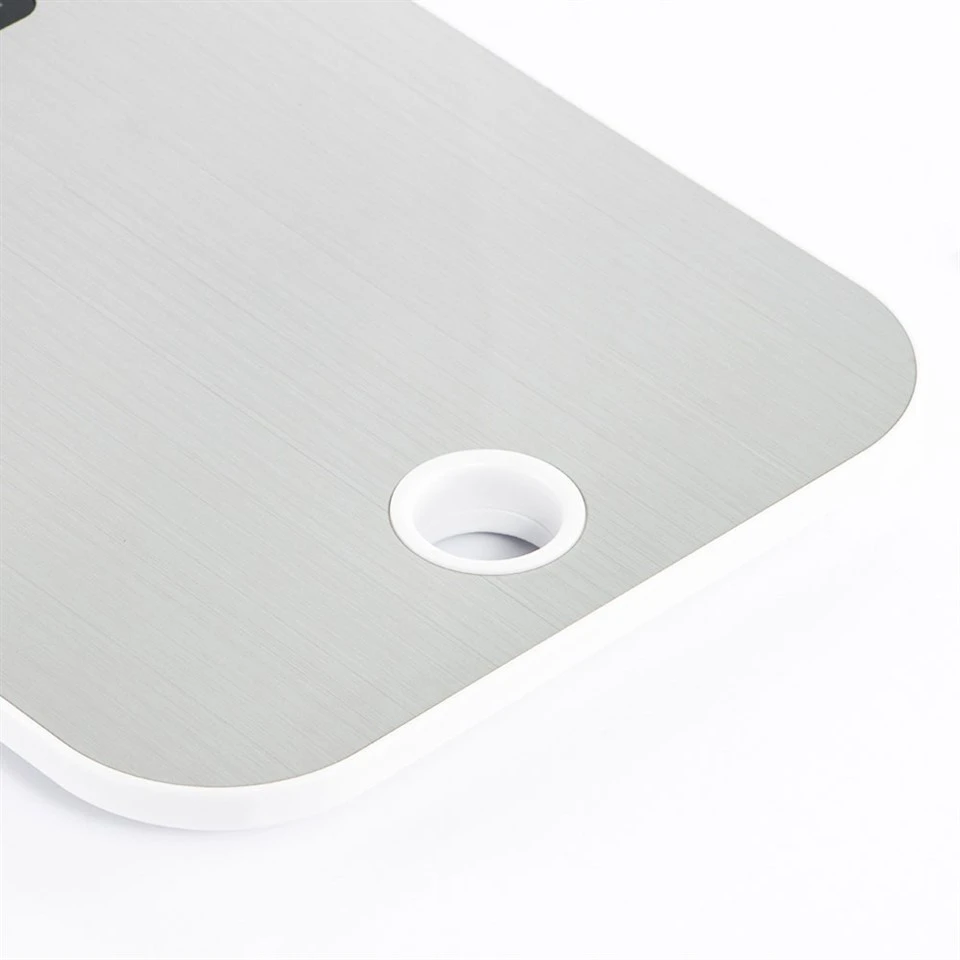
When choosing a kitchen scale, look for features such as a sturdy construction, accurate sensors, and a reliable brand. For example, our Stainless Steel Kitchen Scale is made of high - quality stainless steel, which is not only durable but also easy to clean. It has a precise load cell that provides accurate measurements every time.
Seek Professional Help
If you notice any problems with your kitchen scale, such as inaccurate readings or a malfunctioning display, don't try to fix it yourself. Instead, seek professional help. Contact the manufacturer's customer service or take the scale to a professional repair shop.
Trying to repair the scale yourself can void the warranty and may cause further damage. Professional technicians have the knowledge and tools to diagnose and fix the problem correctly.
In conclusion, preventing your kitchen scale from getting damaged requires a combination of proper handling, regular maintenance, and choosing the right product. By following these tips, you can ensure that your kitchen scale remains in good condition and provides accurate measurements for years to come.
If you're interested in purchasing high - quality kitchen scales for your home or business, we're here to help. We offer a wide range of kitchen scales to meet your needs. Contact us to start a purchase negotiation, and let's find the perfect kitchen scale for you.

References
- Kitchen Scale User Manuals
- Industry Standards for Kitchen Scale Manufacturing
- Research on the Impact of Environmental Factors on Kitchen Scale Performance