

How to check if the compressor of an ice cube machine is working properly?
Oct 15, 2025
As a seasoned supplier of ice cube machines, I understand the crucial role that a well - functioning compressor plays in the overall performance of these appliances. The compressor is the heart of an ice cube machine, responsible for circulating the refrigerant and facilitating the heat exchange process that ultimately leads to ice production. In this blog, I'll share some essential tips on how to check if the compressor of an ice cube machine is working properly.
Visual Inspection
The first step in assessing the compressor's condition is a visual inspection. Start by powering off the ice cube machine and unplugging it from the electrical outlet to ensure your safety. Remove any access panels to gain clear visibility of the compressor.
Look for signs of physical damage such as dents, cracks, or leaks. A damaged compressor housing can lead to refrigerant leaks, which will significantly impact the machine's cooling efficiency. Check the refrigerant lines connected to the compressor for any signs of corrosion, loose connections, or refrigerant stains. A refrigerant leak is often indicated by a white, powdery substance around the joints or a hissing sound, which suggests that the refrigerant is escaping.
Examine the compressor's mounting brackets. Loose or broken brackets can cause excessive vibration during operation, which not only affects the compressor's performance but also increases the risk of further damage to the machine. Make sure that the compressor is securely fastened in place.
Listening for Unusual Noises
Once you've completed the visual inspection, plug the ice cube machine back in and power it on. Listen carefully for any unusual noises coming from the compressor. A properly functioning compressor should produce a relatively quiet, consistent humming sound during operation.
If you hear loud knocking, rattling, or screeching noises, it could be a sign of internal problems. Knocking sounds may indicate loose internal components, such as pistons or valves. Rattling noises might suggest that there are loose parts inside the compressor housing or that the compressor is not properly secured. Screeching sounds are often associated with worn - out bearings or a malfunctioning motor.
If you notice any of these unusual noises, it's important to shut off the machine immediately to prevent further damage and consult a professional technician.
Measuring Temperature
Temperature is a key indicator of the compressor's performance. You can use an infrared thermometer to measure the temperature of the compressor and the refrigerant lines.
First, measure the temperature of the compressor's housing. A normal operating temperature for a compressor in an ice cube machine typically ranges between 120°F and 150°F (49°C and 66°C). If the temperature is significantly higher than this range, it could indicate that the compressor is overworking, which may be due to a refrigerant leak, a blocked condenser, or a malfunctioning fan.
Next, measure the temperature of the refrigerant lines. The suction line, which carries the low - pressure refrigerant from the evaporator to the compressor, should be cold to the touch. The discharge line, which carries the high - pressure refrigerant from the compressor to the condenser, should be hot. If the temperature difference between the suction and discharge lines is not significant, it may suggest a problem with the compressor's compression process.
Checking the Electrical Connections
The electrical connections to the compressor are also critical for its proper operation. A loose or damaged electrical connection can cause the compressor to malfunction or even fail completely.
Start by checking the wiring harness that connects the compressor to the control board. Make sure that all the connections are secure and that there are no signs of frayed wires or corrosion. If you notice any damage to the wiring, it should be repaired or replaced immediately.
You can also use a multimeter to test the electrical resistance of the compressor's motor windings. This will help you determine if the motor is functioning properly. Refer to the manufacturer's specifications for the correct resistance values for your specific compressor model. If the measured resistance values are outside the specified range, it may indicate a problem with the motor.
Monitoring Ice Production
One of the most straightforward ways to assess the compressor's performance is to monitor the ice production of the ice cube machine. A properly functioning compressor should enable the machine to produce ice at a consistent rate.
If you notice a significant decrease in ice production, it could be a sign that the compressor is not working efficiently. This could be due to a variety of factors, including a refrigerant leak, a clogged filter, or a malfunctioning compressor. Check the ice cube machine's user manual for the expected ice production rate and compare it with the actual output.
If the ice cubes are coming out smaller than usual or are not fully formed, it may also indicate a problem with the compressor. Inadequate compression can lead to insufficient cooling, resulting in poorly formed ice cubes.
Troubleshooting Common Compressor Problems
If you've identified any issues with the compressor during your checks, here are some common problems and possible solutions:
Refrigerant Leak
As mentioned earlier, a refrigerant leak can cause the compressor to overwork and reduce the machine's cooling efficiency. If you suspect a refrigerant leak, it's important to have it repaired by a professional technician. They will be able to locate the leak, repair it, and recharge the refrigerant to the proper level.
Blocked Condenser
A blocked condenser can prevent the compressor from dissipating heat effectively, leading to overheating. Check the condenser coils for dirt, dust, and debris. Use a soft brush or a vacuum cleaner to clean the coils regularly to ensure proper airflow.

Malfunctioning Fan
The fan in the ice cube machine helps to cool the compressor and the condenser. If the fan is not working properly, it can cause the compressor to overheat. Check the fan blades for damage and make sure that the fan motor is functioning. Replace the fan if necessary.
Conclusion
Checking the compressor of an ice cube machine is an important part of maintaining its performance and ensuring a long service life. By following these steps, you can identify potential problems early and take appropriate action to prevent further damage.
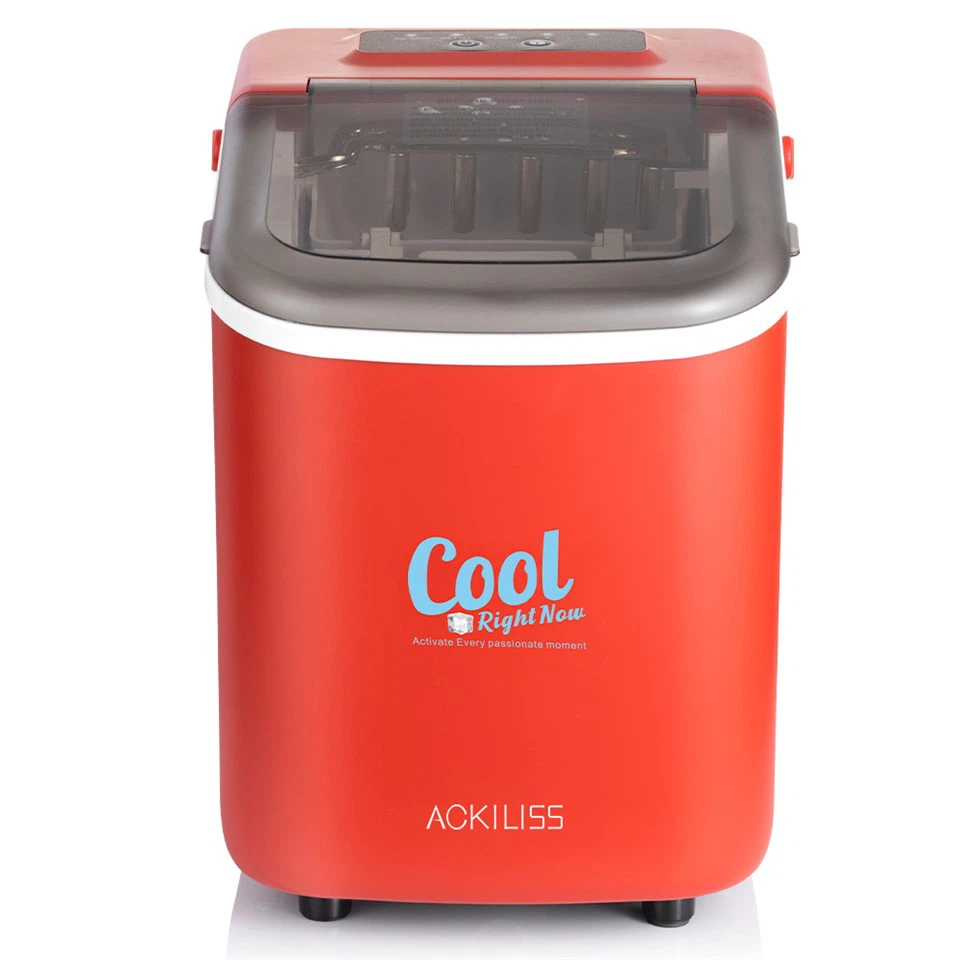
At our company, we offer a wide range of high - quality ice cube machines, including the Household Automatic Ice Cube and the Compact Home Ice Machine Bullet. Our machines are designed with reliable compressors and advanced technology to provide efficient and consistent ice production.
If you're in the market for a new ice cube machine or need assistance with your existing one, we're here to help. Whether you're a business owner looking to upgrade your commercial ice - making equipment or a homeowner in need of a reliable household ice cube machine, our team of experts can provide you with the right solutions. Contact us today to start a procurement discussion and find the perfect ice cube machine for your needs.
References
- Ice Cube Machine Manufacturer's Manuals
- HVAC and Refrigeration Textbooks
- Industry - specific Technical Journals