

What is the consistency of the dough made by a stand dough mixer?
Oct 08, 2025
Hey there, fellow baking enthusiasts! I'm a supplier of stand dough mixers, and today, I wanna dive deep into the topic of what the consistency of the dough made by a stand dough mixer is all about.
First off, let's talk about why the consistency of dough matters. Whether you're making bread, pizza dough, or even cookies, the right dough consistency is crucial. It affects how the dough behaves during the baking process, the texture of the final product, and even its taste. A stand dough mixer is a game - changer when it comes to achieving that perfect consistency, but what exactly does that consistency look like?
Ideal Dough Consistency for Different Recipes
Bread Dough
Bread dough is probably one of the most common types of dough made with a stand dough mixer. The ideal consistency for bread dough is smooth, elastic, and slightly tacky. When you touch it, it shouldn't stick to your hands too much, but it also shouldn't be dry and crumbly.
When using a stand dough mixer, you'll start by combining the dry ingredients in the bowl. Then, gradually add the wet ingredients. As the mixer kneads the dough, you'll notice it coming together. At first, it might be a shaggy mess, but as the kneading continues, the gluten in the flour starts to develop. This is what gives the bread its structure and elasticity.
You can do a simple test to check if your bread dough has the right consistency. Take a small piece of dough and gently stretch it between your fingers. If it forms a thin, translucent membrane without tearing easily, that's a sign that the gluten has developed well, and the dough is ready. This is known as the windowpane test.
Pizza Dough
Pizza dough has a slightly different consistency compared to bread dough. It should be soft, pliable, and easy to stretch. You don't want it to be too sticky, or it'll be a nightmare to work with when you're trying to shape it into a pizza crust.
A stand dough mixer can help you achieve this consistency by evenly incorporating the ingredients and kneading the dough to the right degree. When making pizza dough, you might want to use a little less water compared to bread dough. This will result in a dough that's easier to handle and won't spread out too much when you put it in the oven.
Cookie Dough
Cookie dough consistency can vary depending on the type of cookies you're making. For example, drop cookies usually have a softer, more scoopable consistency. On the other hand, rolled cookies need to be firmer so that they can be rolled out and cut into shapes.
A stand dough mixer can handle both types of cookie dough. For softer cookie dough, you'll want to mix the ingredients until they're just combined. Over - mixing can make the cookies tough. For firmer cookie dough, you might need to knead it a bit more in the mixer to ensure that all the ingredients are well - incorporated.
How a Stand Dough Mixer Affects Dough Consistency
One of the biggest advantages of using a stand dough mixer is its ability to knead the dough evenly. Unlike hand - kneading, which can be inconsistent and tiring, a stand dough mixer does the hard work for you. It has a powerful motor and a specially designed kneading hook that can reach every corner of the dough, ensuring that all the ingredients are thoroughly mixed.
The speed settings on a stand dough mixer also play a crucial role in achieving the right dough consistency. For example, when you're first combining the dry and wet ingredients, you might want to use a low speed to prevent the ingredients from flying out of the bowl. As the dough starts to come together, you can increase the speed to knead the dough more vigorously.
Another factor is the time. Different recipes require different kneading times. A stand dough mixer allows you to set a specific time for kneading, so you don't have to worry about over - or under - kneading the dough. This precision is what helps you achieve the perfect consistency every time.
Tips for Achieving the Right Dough Consistency with a Stand Dough Mixer
Measure Your Ingredients Accurately
This might seem obvious, but it's crucial. Using the right amount of flour, water, yeast, and other ingredients is the first step in achieving the right dough consistency. Even a small variation in the amount of an ingredient can affect the final result.
Adjust the Water Content
The water content in your dough can have a big impact on its consistency. If your dough is too dry, you can add a little more water, a teaspoon at a time, while the mixer is running. If it's too wet, you can add a bit more flour. Just be careful not to add too much at once, as it can be hard to correct the consistency if you overdo it.
Let the Dough Rest
After kneading the dough in the stand dough mixer, it's a good idea to let it rest for a while. This allows the gluten to relax and the dough to become more pliable. Cover the dough with a damp cloth or plastic wrap and let it sit at room temperature for about 15 - 30 minutes.
Our Stand Dough Mixer - Dough Kneading Stand Food Mixer
At our company, we offer a high - quality Dough Kneading Stand Food Mixer that can help you achieve the perfect dough consistency every time. It has multiple speed settings, a powerful motor, and a durable kneading hook. Whether you're a professional baker or just someone who loves to bake at home, our stand dough mixer is a great investment.
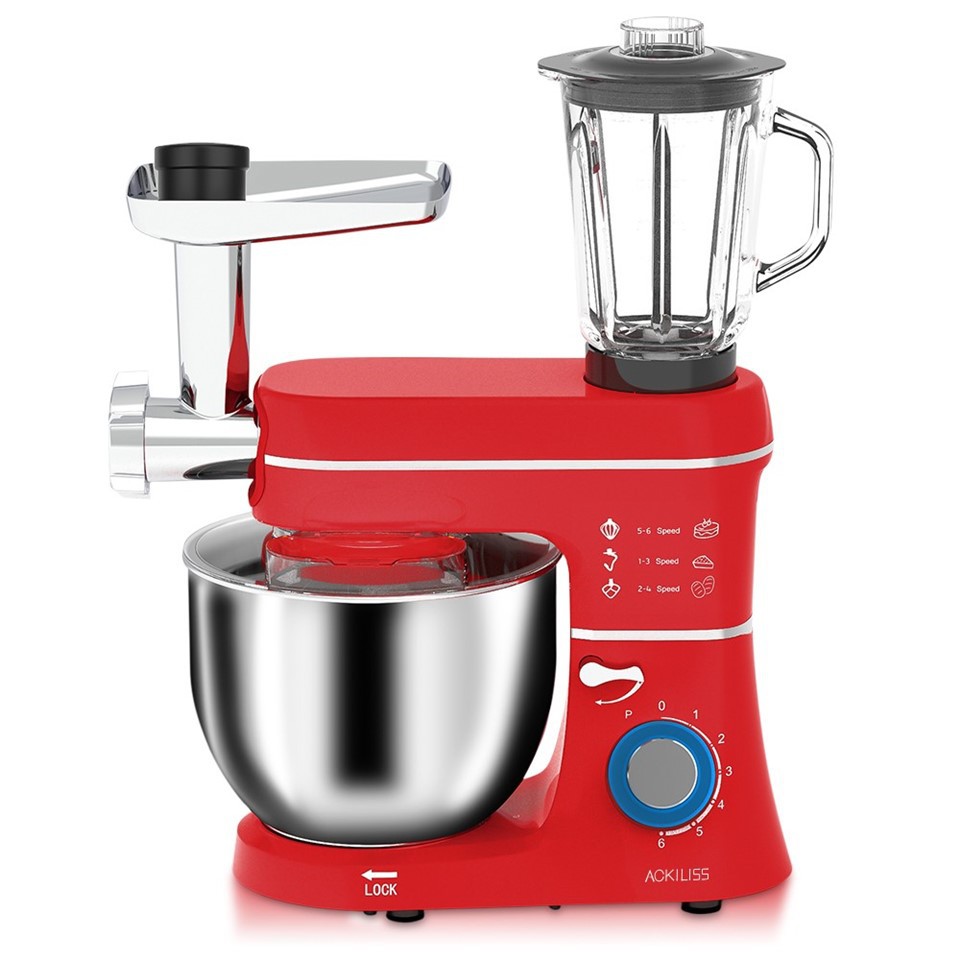

If you're interested in purchasing our stand dough mixer or have any questions about dough consistency, don't hesitate to get in touch. We're here to help you make the best - tasting baked goods with the right dough consistency. Contact us for a purchase consultation, and let's take your baking to the next level!
References
- "The Bread Baker's Apprentice" by Peter Reinhart
- "Cookwise: The Hows and Whys of Successful Cooking" by Shirley O. Corriher