

What is the lifespan of an electric water kettle?
Dec 03, 2025
Hey there! As a supplier of electric water kettles, I often get asked about how long these nifty little appliances last. So, I thought I'd sit down and write this blog to share some insights on the lifespan of an electric water kettle.
First off, let's talk about what affects the lifespan of an electric water kettle. There are a bunch of factors at play here. One of the biggest ones is the quality of the materials used in making the kettle. You see, kettles come in different materials like stainless steel, glass, and plastic.
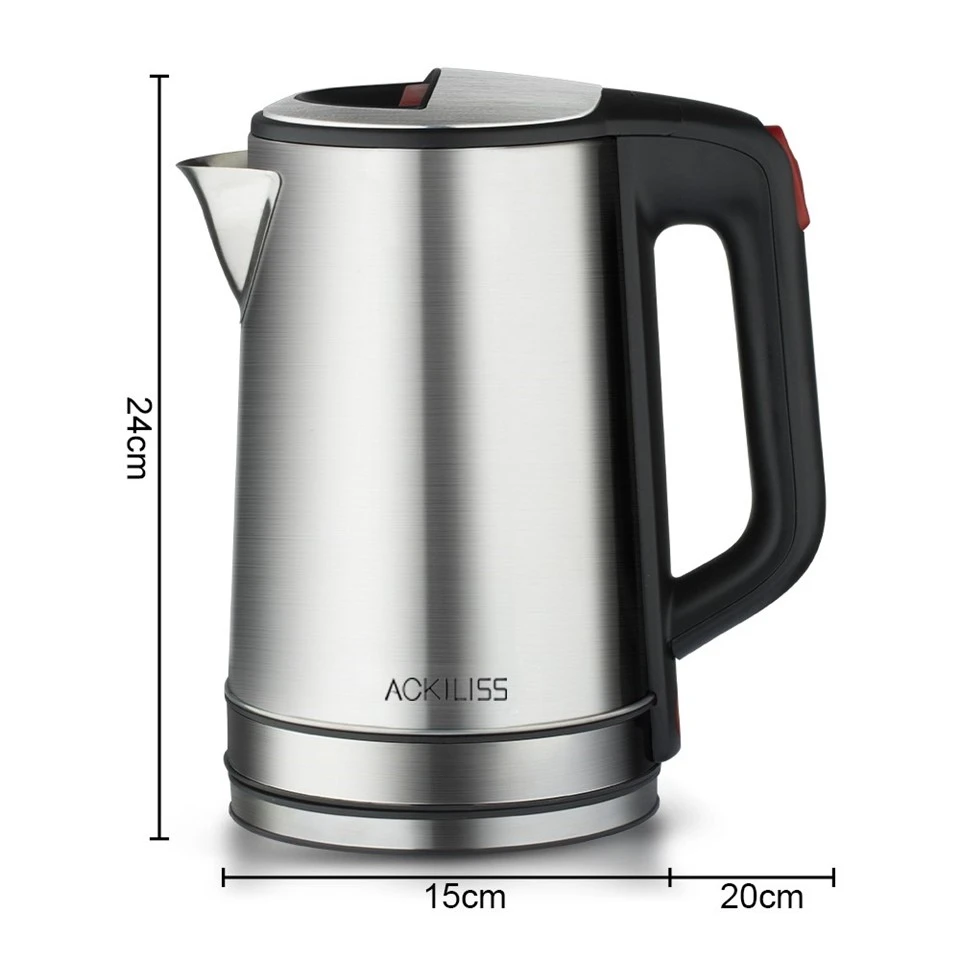
Stainless steel kettles, like our Stainless Steel Tea Kettle 220V, are generally quite durable. They're resistant to rust and can withstand a fair amount of wear and tear. The stainless - steel body can last for many years, as long as you take proper care of it. However, the heating element inside the kettle is a different story. Over time, the heating element can start to degrade, especially if you're using hard water. Hard water contains minerals like calcium and magnesium, and when you boil it, these minerals can build up on the heating element. This buildup, known as limescale, can insulate the heating element and make it work harder, which can shorten its lifespan.
Glass kettles, such as our Cordless Glass Water Kettle Home and Fast - boiling Borosilicate Glass Electric Kettle, are popular because they look great and let you see the water boiling. But glass is more fragile than stainless steel. If you accidentally drop a glass kettle, well, it's probably going to break. However, borosilicate glass is more heat - resistant and less likely to shatter under normal use. Just like stainless - steel kettles, the heating element in glass kettles is also vulnerable to limescale buildup, which can impact its lifespan.
Plastic kettles are usually the most affordable option. But they're not as durable as stainless - steel or glass kettles. Plastic can start to warp or crack over time, especially if it's exposed to high temperatures for long periods. And some plastics may release harmful chemicals into the water, so it's important to choose a kettle made from food - grade plastic.
Another factor that affects the lifespan of an electric water kettle is how often you use it. If you're someone who boils water multiple times a day, say for making tea, coffee, or instant soups, your kettle is going to have a shorter lifespan compared to someone who only uses it occasionally. The more you use the kettle, the more stress you're putting on the heating element and other components.
The way you clean your kettle also matters. Regular cleaning can significantly extend the lifespan of your kettle. To remove limescale, you can use a descaling solution or a mixture of vinegar and water. Just fill the kettle with the solution, let it sit for a while, and then boil it. After that, rinse the kettle thoroughly. If you don't clean your kettle regularly, limescale can build up to the point where it damages the heating element beyond repair.
On average, a well - made electric water kettle can last anywhere from 2 to 5 years. But this is just a rough estimate. If you take really good care of your kettle, it could last even longer. For example, if you use filtered water to reduce limescale buildup, clean your kettle regularly, and handle it gently, you might get 5 to 7 years of use out of it.
Now, I know some of you might be thinking, "How can I tell if my kettle is about to give up the ghost?" There are a few signs to look out for. If your kettle takes longer than usual to boil water, it could be a sign that the heating element is starting to fail. Another sign is if you notice strange noises coming from the kettle when it's boiling. This could be due to limescale buildup or a problem with the heating element. And of course, if you see visible damage to the kettle, like cracks in the glass or a warped plastic body, it's probably time to replace it.
As a supplier of electric water kettles, I'm always looking for ways to improve the quality and lifespan of our products. We use high - quality materials and advanced manufacturing techniques to ensure that our kettles are built to last. Our Stainless Steel Tea Kettle 220V is made from premium stainless steel that's resistant to corrosion, and our glass kettles are made from borosilicate glass for maximum heat resistance.
If you're in the market for a new electric water kettle or looking to stock up your store, we've got a great range of products to choose from. Whether you prefer the sleek look of a glass kettle or the durability of a stainless - steel one, we've got you covered.
We're always open to discussing bulk orders and custom - made products. If you're interested in working with us, don't hesitate to reach out. We can have a chat about your specific needs and see how we can help you.
In conclusion, the lifespan of an electric water kettle depends on many factors, including the quality of materials, frequency of use, and maintenance. By taking good care of your kettle, you can make it last as long as possible. And if you're looking for a reliable electric water kettle, consider our products. We're committed to providing high - quality kettles that meet your needs.

References:
- General knowledge about electric water kettle components and materials.
- Experience as an electric water kettle supplier.