

What is the power consumption of a kitchen scale?
Dec 31, 2025
What is the power consumption of a kitchen scale?
As a seasoned supplier of kitchen scales, I often get asked about the power consumption of these essential kitchen tools. Understanding the power requirements of a kitchen scale is crucial for both consumers and businesses. It not only affects the long - term cost of using the scale but also has implications for environmental sustainability. In this blog, I'll delve into the factors that influence the power consumption of kitchen scales and provide some insights into how you can manage it effectively.
Types of Power Sources for Kitchen Scales
Kitchen scales typically rely on two main types of power sources: batteries and electricity. Each type has its own characteristics in terms of power consumption.
Battery - Powered Kitchen Scales
Battery - powered scales are extremely popular due to their portability and ease of use. They can be placed anywhere in the kitchen without the need for a nearby electrical outlet. The most common types of batteries used in kitchen scales are AA, AAA, and coin - cell batteries.
The power consumption of battery - powered scales is generally quite low. This is because these scales are designed to be energy - efficient, as they operate on a limited power supply. For instance, a basic digital kitchen scale that uses two AAA batteries may consume only a few milliamps of current. The exact power consumption depends on several factors, such as the display type (LCD or LED), the frequency of use, and the additional features of the scale.
LCD displays are more energy - efficient than LED displays. An LCD - equipped kitchen scale will use less power to show the weight readings. If a scale has additional features like a backlight or a tare function, it will consume more power. The tare function, which allows you to zero out the weight of a container, requires a small amount of energy to reset the scale's internal calculations.
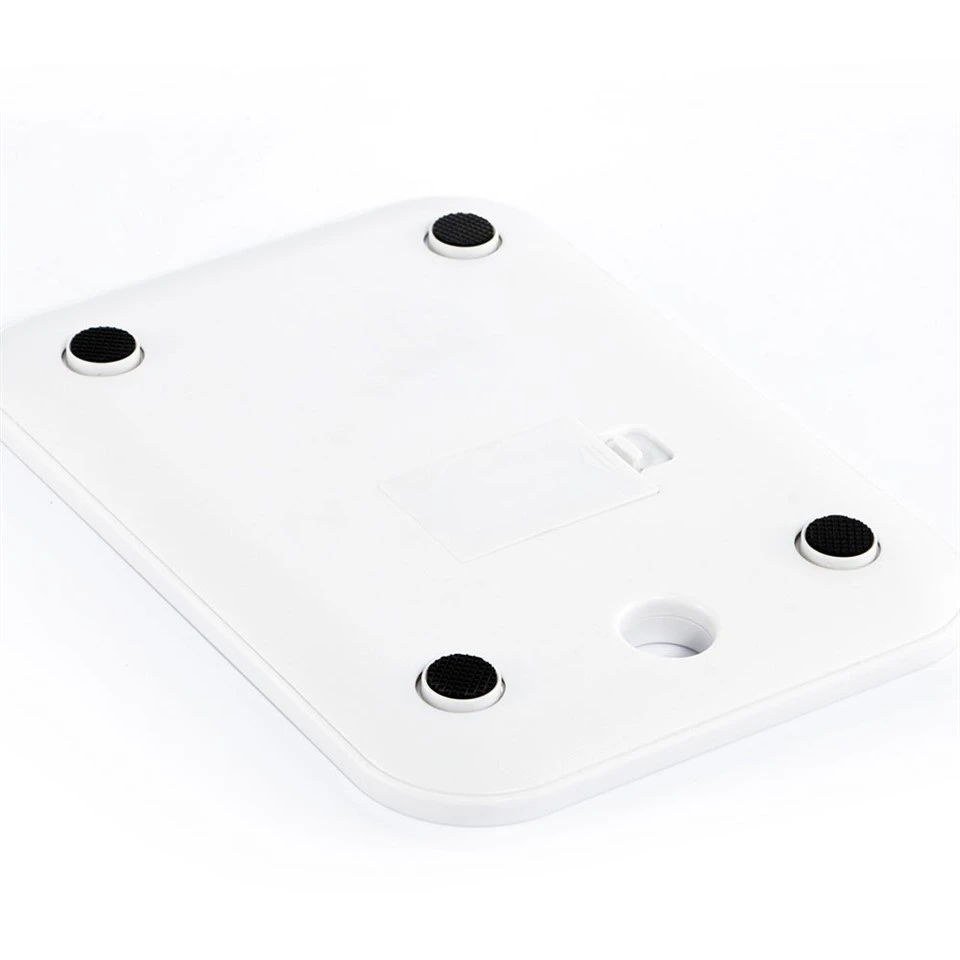
On average, a battery - powered kitchen scale with standard features may last several months on a set of batteries, depending on how often it is used. For light - use scenarios, such as weighing ingredients occasionally for home baking, a set of batteries could last up to a year. However, if the scale is used frequently in a commercial kitchen, the batteries may need to be replaced every few months.
Electric - Powered Kitchen Scales
Electric - powered kitchen scales are connected directly to an electrical outlet. These scales are often found in commercial kitchens or in households where continuous use is required. Since they are connected to a stable power source, they can support more advanced features and larger displays.
The power consumption of electric - powered kitchen scales varies depending on their size and functionality. A small, basic electric scale may consume around 2 - 5 watts of power. However, larger scales with high - resolution displays and advanced features like multiple weighing units and connectivity options (such as Bluetooth or Wi - Fi) can consume up to 10 - 15 watts.
The advantage of electric - powered scales is that they offer a consistent power supply, so you don't have to worry about battery replacements. However, if the scale is left plugged in all the time, it will continuously draw power, even when not in use. This standby power consumption can add up over time and contribute to your electricity bill.
Factors Affecting Power Consumption
Several factors can influence the power consumption of a kitchen scale, regardless of its power source.
Display Technology
As mentioned earlier, the type of display used in a kitchen scale has a significant impact on power consumption. LCD displays are the most common choice for kitchen scales because they are relatively energy - efficient. They use a liquid crystal layer that changes its optical properties when an electric current is applied, allowing the display to show the weight readings.
LED displays, on the other hand, are brighter and more visible in different lighting conditions. However, they consume more power than LCD displays. This is because LEDs (light - emitting diodes) require more energy to produce light. If you are concerned about power consumption, an LCD - based kitchen scale may be a better choice.
Usage Frequency
The more often a kitchen scale is used, the more power it will consume. Every time you turn on the scale, it uses a small amount of energy to initialize its internal components and display the weight. In a commercial kitchen where the scale is used dozens of times a day, the cumulative power consumption can be significant compared to a home kitchen where the scale may be used only a few times a week.
Additional Features
Kitchen scales with additional features such as a backlight, multiple weighing units, and connectivity options will consume more power. A backlight is useful for reading the display in low - light conditions, but it requires extra energy to illuminate the screen. Scales that support multiple weighing units (such as grams, ounces, and pounds) need to perform more complex calculations, which also consume power.
Connectivity options like Bluetooth or Wi - Fi allow the scale to communicate with other devices, such as smartphones or tablets. However, maintaining a wireless connection requires a continuous power supply to the scale's communication module.
Managing Power Consumption
If you are a consumer or a business owner looking to manage the power consumption of your kitchen scale, here are some tips:
For Battery - Powered Scales
- Choose the Right Batteries: Opt for high - quality, long - lasting batteries. Rechargeable batteries can also be a cost - effective and environmentally friendly option. They may have a higher upfront cost, but they can be reused multiple times, reducing the overall cost of battery replacements.
- Turn Off When Not in Use: Make sure to turn off the scale after each use. Some scales have an automatic shut - off feature, which is very useful for conserving battery power.
- Limit Additional Features: If you don't need features like a backlight or a tare function all the time, try to use them sparingly.
For Electric - Powered Scales
- Use a Power Strip: Plug the scale into a power strip and turn off the power strip when the scale is not in use. This will eliminate the standby power consumption.
- Choose Energy - Efficient Models: When purchasing an electric - powered scale, look for models that are labeled as energy - efficient. These scales are designed to consume less power without sacrificing functionality.
Our Product: Stainless Steel Kitchen Scale
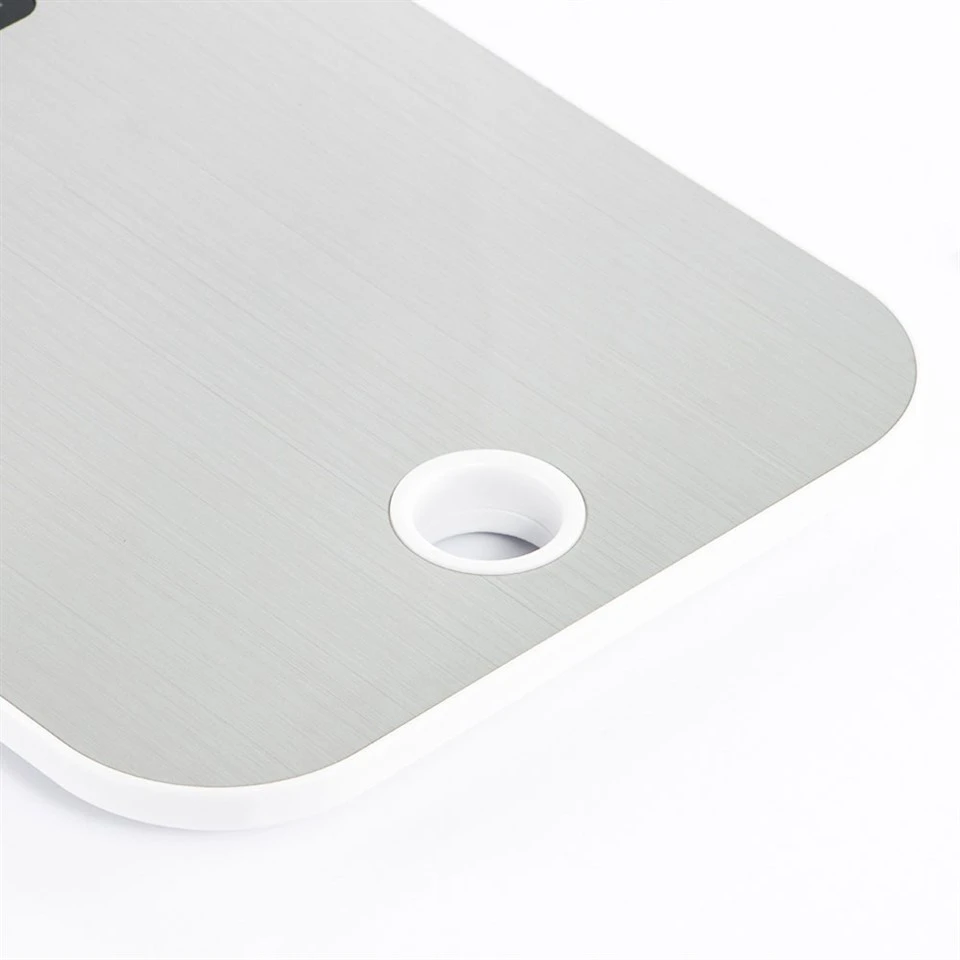
At our company, we offer a wide range of kitchen scales, including our popular Stainless Steel Kitchen Scale. This scale is designed with power consumption in mind. It uses an energy - efficient LCD display, which ensures that it consumes minimal power while providing clear and accurate weight readings.
The stainless steel construction not only makes the scale durable but also gives it a sleek and modern look. It has a tare function, which is useful for weighing ingredients in containers, but we have optimized the power consumption of this feature to ensure that it doesn't draw too much energy.
Whether you are a home cook or a professional chef, our Stainless Steel Kitchen Scale is a reliable and energy - efficient choice for your kitchen.
Conclusion
The power consumption of a kitchen scale depends on various factors, including the power source, display technology, usage frequency, and additional features. By understanding these factors, you can make an informed decision when purchasing a kitchen scale and take steps to manage its power consumption effectively.
If you are interested in our range of kitchen scales, including the Stainless Steel Kitchen Scale, and would like to discuss procurement options, please feel free to reach out. We are always ready to assist you with your kitchen scale needs and provide you with the best products at competitive prices.
References
- "Energy - Efficient Electronics for the Kitchen" - Journal of Home Appliance Technology
- "Power Consumption Analysis of Digital Measuring Devices" - International Journal of Instrumentation and Measurement