

What is the production process of a meat grinder machine?
Oct 07, 2025
As a seasoned supplier of meat grinder machines, I'm excited to take you through the intricate production process of these essential kitchen appliances. From the initial design concept to the final product ready for your kitchen, every step is crucial in ensuring a high-quality and efficient meat grinder.
Design and Conceptualization
The journey of a meat grinder machine begins with a team of designers and engineers. They start by researching market trends, customer needs, and technological advancements. What features do consumers look for in a meat grinder? Is it portability, power, or ease of cleaning? Based on this research, they sketch out initial designs, considering factors like the size, shape, and functionality of the machine.
During this phase, we also focus on safety. Meat grinders involve sharp blades and moving parts, so safety features such as overload protection, non - slip feet, and blade guards are incorporated into the design. The goal is to create a product that is not only effective but also safe for home and commercial use.
Material Selection
Once the design is finalized, the next step is material selection. The quality of materials used directly impacts the durability and performance of the meat grinder. For the body of the machine, we often choose high - grade plastics or metals.
Plastic is lightweight, affordable, and easy to mold into various shapes. It is a popular choice for home - use meat grinders, especially those designed for occasional use. On the other hand, metal, such as stainless steel, is more durable and resistant to corrosion. It is commonly used in commercial meat grinders that are subject to heavy use.
The blades and cutting plates are made from hardened steel. This type of steel can withstand the high - pressure grinding process and maintain its sharpness over time. The gears and other moving parts are also carefully selected for their strength and smooth operation.
Manufacturing the Components
After the materials are sourced, the manufacturing process begins. The body of the meat grinder is typically produced through injection molding for plastic parts or casting and machining for metal parts.
Injection molding is a process where molten plastic is injected into a mold cavity under high pressure. Once the plastic cools and solidifies, it takes the shape of the mold. This process allows for the production of complex shapes with high precision and consistency.
For metal parts, casting involves pouring molten metal into a mold. After the metal solidifies, it is machined to achieve the desired dimensions and surface finish. Machining processes such as turning, milling, and drilling are used to create holes, threads, and other features on the metal components.
The blades and cutting plates are manufactured through a series of processes, including forging, heat treatment, and grinding. Forging involves shaping the steel by applying pressure, which helps to improve its strength. Heat treatment is then used to harden the steel and enhance its wear resistance. Finally, grinding is used to sharpen the blades and ensure a smooth cutting surface.
Assembly
Once all the components are manufactured, they are ready for assembly. The assembly process is a critical step in ensuring the proper functioning of the meat grinder. It is usually done on an assembly line, where workers follow a set of instructions to put the parts together.
The first step in assembly is to install the motor. The motor is the heart of the meat grinder, providing the power needed to drive the blades and cutting plates. It is carefully mounted in the body of the machine and connected to the power source.
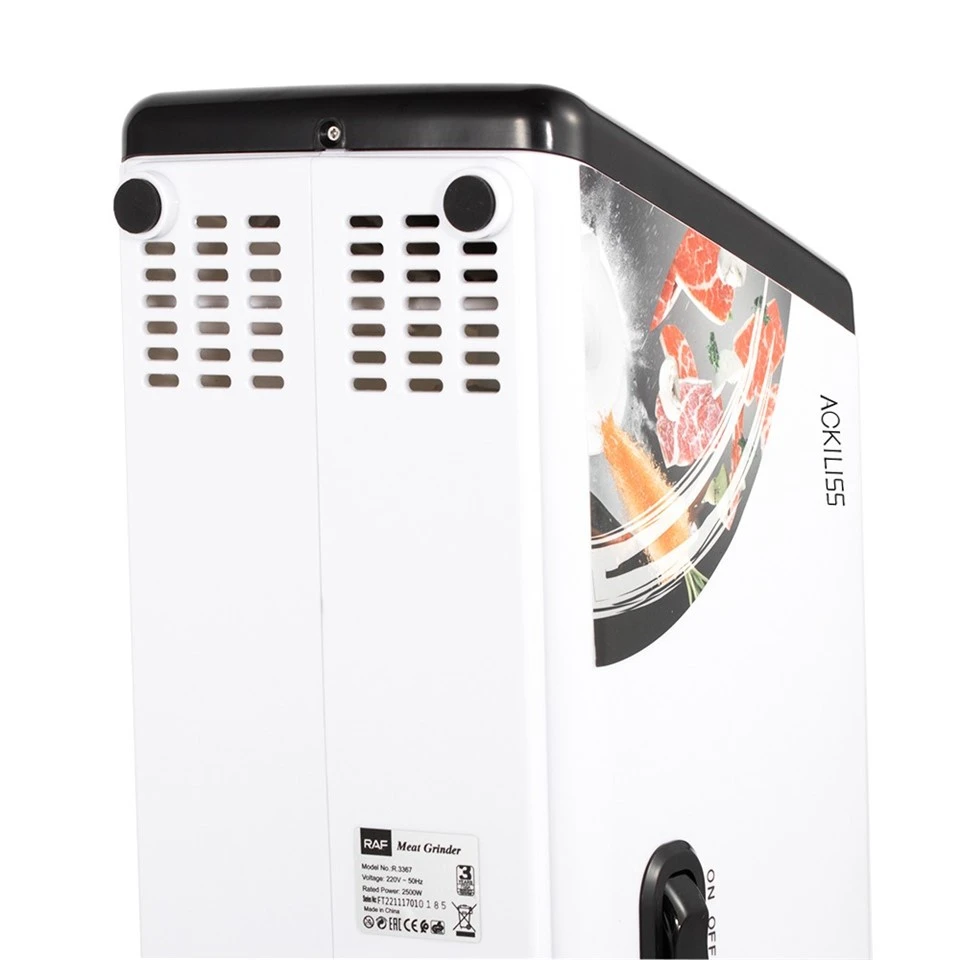

Next, the gears and other moving parts are installed. These parts need to be precisely aligned to ensure smooth operation. The blades and cutting plates are then attached to the drive shaft, and the hopper and chute are installed to allow the meat to be fed into the machine.
After the main components are assembled, the control panel and other electrical components are installed. This includes switches, buttons, and indicators that allow the user to operate the meat grinder safely and easily.
Quality Control
Quality control is an integral part of the production process. Before the meat grinder leaves the factory, it undergoes a series of tests to ensure that it meets the highest standards of quality and performance.
The first test is a visual inspection. Workers check the machine for any cosmetic defects, such as scratches, dents, or misaligned parts. They also ensure that all the components are properly installed and that there are no loose or missing parts.
Next, the meat grinder is tested for electrical safety. This involves checking the insulation resistance, grounding, and leakage current to ensure that the machine is safe to use.
The performance of the meat grinder is then tested. It is run through a series of grinding cycles using different types of meat to evaluate its grinding efficiency, power consumption, and noise level. The blades and cutting plates are also checked for sharpness and wear.
Any meat grinder that fails to meet the quality standards is sent back for rework or repair. Only those that pass all the tests are packaged and prepared for shipment.
Packaging and Shipping
Once the meat grinder has passed the quality control tests, it is ready for packaging. The machine is carefully wrapped in protective materials, such as foam or bubble wrap, to prevent damage during transportation. It is then placed in a cardboard box along with the user manual, warranty card, and any accessories.
The packaging is designed to be both functional and attractive. It provides information about the product, such as its features, specifications, and safety instructions. It also helps to promote the brand and make the product stand out on the store shelves.
After packaging, the meat grinders are shipped to distributors, retailers, or directly to customers. We work with reliable shipping partners to ensure that the products are delivered safely and on time.
Our Product Range
We offer a wide range of meat grinder machines to meet the diverse needs of our customers. For home use, we have the Powerful Home Meat Mincer for Sausages. This meat grinder is designed to be powerful yet easy to use. It comes with multiple cutting plates, allowing you to grind meat into different sizes for making sausages, burgers, and other meat products.
For those who prefer a more compact design, our Compact Metal Meat Grinder Kitchen is an excellent choice. It is made from high - quality metal, ensuring durability and long - lasting performance. Despite its small size, it packs a punch and can handle a decent amount of meat.
Contact Us for Purchase and Negotiation
If you are interested in purchasing our meat grinder machines, whether for personal use or for your business, we invite you to contact us for a detailed discussion. Our team of experts is ready to assist you in choosing the right product that meets your specific requirements. We can also offer competitive pricing and favorable terms for bulk orders. Don't hesitate to reach out and start the conversation about adding our high - quality meat grinders to your kitchen or business.
References
- "Food Processing Machinery: Principles and Practices" by R. Paul Singh and Dennis R. Heldman.
- "Manufacturing Engineering and Technology" by S. Kalpakjian and S. Rajagopal.