

Can a meat grinder machine be used for grinding cheese?
Oct 09, 2025
Can a meat grinder machine be used for grinding cheese? This is a question that many home cooks and professional chefs often ask. As a supplier of meat grinder machines, I have encountered this query numerous times. In this blog post, I will delve into the feasibility of using a meat grinder for cheese, exploring the pros, cons, and best practices.
Understanding Meat Grinder Machines
Before we discuss using a meat grinder for cheese, it's essential to understand how these machines work. Meat grinders are designed to break down meat into smaller pieces by forcing it through a series of sharp blades and plates with holes of various sizes. The process can be manual or electric, with electric grinders offering more power and efficiency.
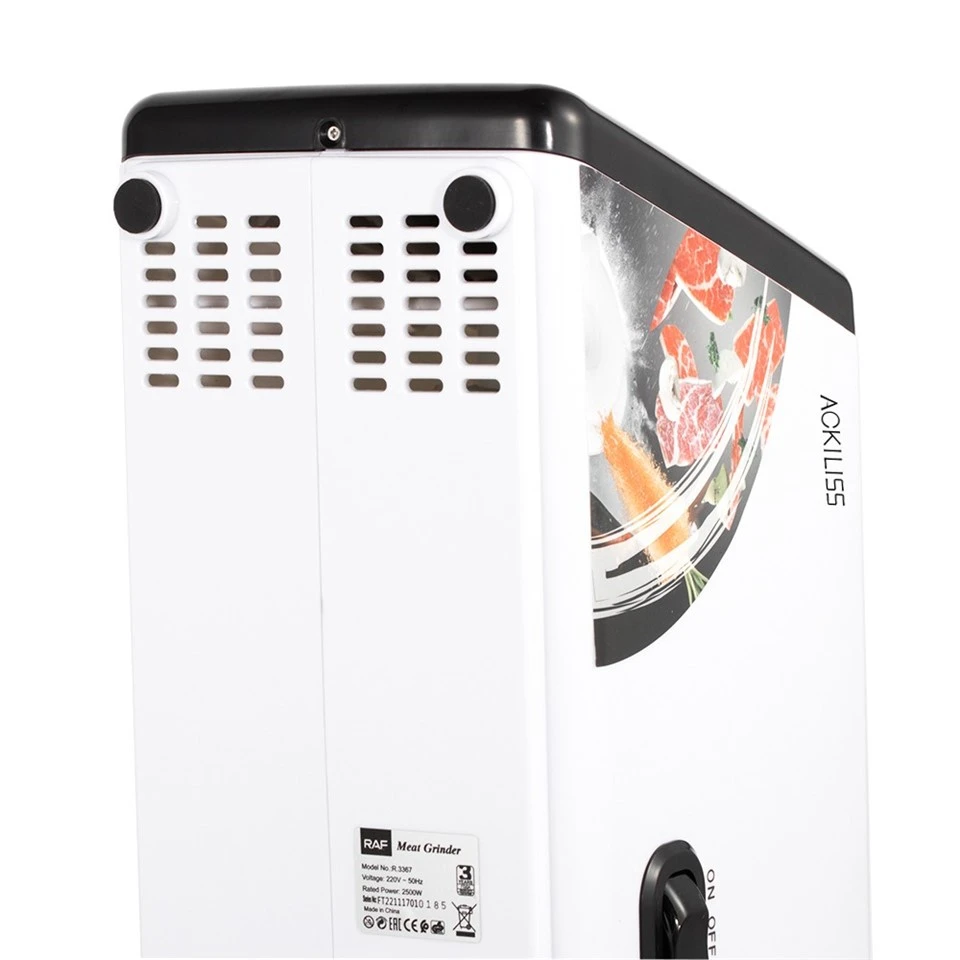
We offer a range of meat grinder machines, including the Powerful Home Meat Mincer for Sausages and the Compact Metal Meat Grinder Kitchen. These machines are built with high - quality materials and precision engineering to ensure efficient meat grinding.

The Feasibility of Grinding Cheese in a Meat Grinder
Advantages
- Efficiency: One of the main advantages of using a meat grinder for cheese is the speed and efficiency. A meat grinder can quickly break down large blocks of cheese into small, uniform pieces, saving you time and effort compared to using a traditional grater. This is especially useful when you need to grate a large quantity of cheese for a party or a commercial kitchen.
- Consistency: Meat grinders can produce a more consistent texture compared to hand - grating. The cheese pieces will be of a similar size, which can be beneficial for cooking and baking, as it ensures even melting and distribution in recipes.
- Versatility: If you already own a meat grinder, using it for cheese eliminates the need to purchase a separate cheese grater. This can save you money and storage space in your kitchen.
Disadvantages
- Cleaning: Cheese can be sticky and may leave residue in the meat grinder. Cleaning the grinder thoroughly after grinding cheese is crucial to prevent the growth of bacteria and to maintain the machine's performance. The small crevices and blades in the grinder can make it challenging to clean completely.
- Texture: While the consistency can be an advantage, some people prefer the coarser texture that a traditional grater can produce. A meat grinder may create a finer texture, which may not be suitable for all cheese - based dishes.
- Compatibility: Not all cheeses are suitable for grinding in a meat grinder. Hard cheeses like Parmesan, Romano, and Cheddar are generally easier to grind, while soft and creamy cheeses like Brie or Camembert may clog the grinder and are not recommended.
Best Practices for Grinding Cheese in a Meat Grinder
- Choose the Right Cheese: As mentioned earlier, hard cheeses are the best candidates for grinding in a meat grinder. Make sure the cheese is cold, as this will make it easier to handle and less likely to stick to the grinder.
- Prepare the Grinder: Before using the meat grinder for cheese, ensure that it is clean and dry. You may want to run a small piece of bread through the grinder to absorb any remaining moisture or debris.
- Use the Appropriate Plate: Select a plate with the right size holes for the desired cheese texture. A plate with smaller holes will produce a finer grind, while larger holes will result in a coarser texture.
- Feed the Cheese Slowly: To prevent clogging, feed the cheese into the grinder slowly and steadily. Use the pusher provided with the grinder to guide the cheese through the hopper.
- Clean the Grinder Immediately: After grinding the cheese, disassemble the grinder and clean all the parts thoroughly with warm, soapy water. Use a brush to remove any stubborn cheese residue from the blades and plates. Rinse the parts well and dry them completely before reassembling the grinder.
Tips for Maintaining Your Meat Grinder after Grinding Cheese
- Regular Maintenance: In addition to cleaning, regular maintenance of your meat grinder is essential. Lubricate the moving parts according to the manufacturer's instructions to ensure smooth operation.
- Inspect the Blades: Check the blades regularly for signs of wear and tear. Dull blades can make grinding more difficult and may not produce a satisfactory result. Replace the blades if necessary.
- Store Properly: Store the meat grinder in a dry place to prevent rust and corrosion. Keep the parts organized and protected to avoid damage.
Conclusion
In conclusion, a meat grinder can be used for grinding cheese, but it has its pros and cons. If you need to grind a large quantity of hard cheese quickly and consistently, a meat grinder can be a great option. However, you need to be aware of the cleaning challenges and the limitations regarding the type of cheese that can be used.
If you are interested in purchasing a meat grinder for both meat and cheese grinding, we offer a wide range of high - quality machines. Our Powerful Home Meat Mincer for Sausages and Compact Metal Meat Grinder Kitchen are designed to meet your needs.
If you have any questions or would like to discuss your specific requirements, please feel free to contact us. We are here to help you make the right choice for your kitchen.
References
- "The Science of Cooking with Cheese" by Harold McGee
- "Kitchen Equipment and Tools: A Guide for Chefs" by The Culinary Institute of America