

How do I level a kitchen scale?
Oct 10, 2025
Leveling a kitchen scale is a crucial step that often goes overlooked, yet it can significantly impact the accuracy of your measurements. As a supplier of high - quality kitchen scales, I understand the importance of ensuring that your scale is properly leveled for precise and reliable results. In this blog post, I'll share some practical tips on how to level a kitchen scale effectively.
Why Leveling Matters
Before delving into the leveling process, it's essential to understand why it's so important. Kitchen scales are designed to provide accurate weight measurements, whether you're baking a cake, portioning ingredients for a recipe, or monitoring your food intake. However, if the scale is not level, the readings can be inaccurate. An uneven surface can cause the scale to tilt, leading to inconsistent and unreliable measurements. This can be particularly problematic in baking, where precise ingredient measurements are crucial for the success of the recipe.
Step 1: Choose the Right Surface
The first step in leveling a kitchen scale is to select a suitable surface. A flat, stable, and hard surface is ideal. Avoid placing the scale on soft or uneven surfaces such as carpets, spongy countertops, or surfaces with bumps and dents. A granite or marble countertop is an excellent choice as it provides a smooth and level surface. If you don't have a granite or marble countertop, a solid wooden or laminate surface can also work well.
Step 2: Check the Scale's Feet
Most kitchen scales come with adjustable feet that can be used to level the scale. These feet are usually located at the bottom corners of the scale. Start by inspecting the feet to ensure they are clean and free from any debris or damage. If the feet are dirty, clean them with a soft cloth to remove any dirt or grime.
To adjust the feet, look for small knobs or screws at the base of each foot. Turn the knobs or screws clockwise or counterclockwise to raise or lower the feet. You can use a small level tool, such as a bubble level, to help you determine if the scale is level. Place the level on top of the scale and adjust the feet until the bubble in the level is centered. This indicates that the scale is perfectly level.
Step 3: Use a Test Weight
Once you've adjusted the feet and think the scale is level, it's a good idea to use a test weight to verify the accuracy of the measurements. You can use a known weight, such as a bag of sugar or a set of calibration weights. Place the test weight on the center of the scale and check the reading. If the reading is accurate, then the scale is properly leveled. If the reading is off, you may need to make further adjustments to the feet.
Step 4: Regular Maintenance
Leveling your kitchen scale is not a one - time task. It's important to regularly check and adjust the scale to ensure it remains level. Over time, the surface where the scale is placed may shift or become uneven, and the scale's feet may loosen. Make it a habit to check the level of your scale every few weeks, especially if you move the scale to a different location.

Different Types of Kitchen Scales
There are various types of kitchen scales available in the market, and the leveling process may vary slightly depending on the type of scale.
Digital Kitchen Scales
Digital kitchen scales are the most common type of kitchen scales. They are known for their accuracy and ease of use. Most digital scales have adjustable feet, and the leveling process is similar to the one described above. However, some digital scales may have additional features, such as a self - leveling function. If your digital scale has a self - leveling function, make sure to read the user manual to understand how it works.
Mechanical Kitchen Scales
Mechanical kitchen scales use a spring - based mechanism to measure weight. They are often more durable and less expensive than digital scales. To level a mechanical kitchen scale, you'll need to adjust the feet manually. Look for small screws or knobs at the base of the scale and turn them to raise or lower the feet until the scale is level. You can use a bubble level to help you with the adjustment.
Our Stainless Steel Kitchen Scale
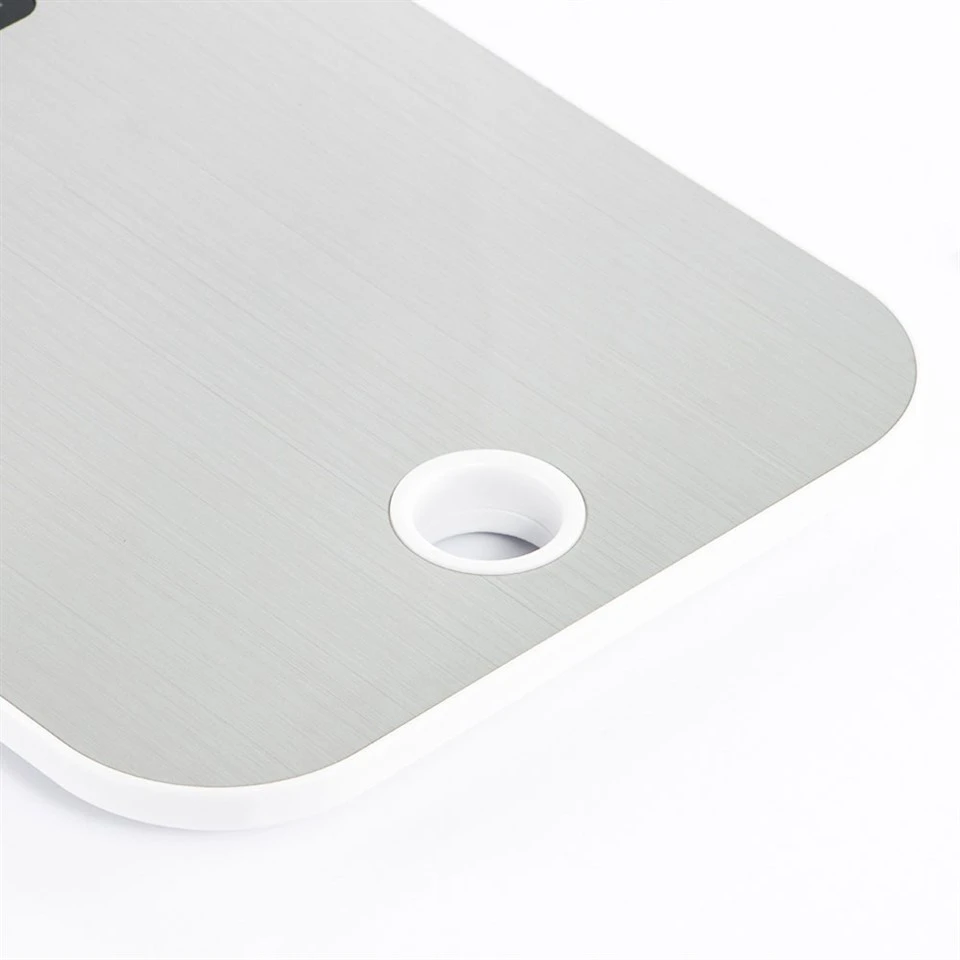
At our company, we offer a wide range of high - quality kitchen scales, including the Stainless Steel Kitchen Scale. This scale is made from premium stainless steel, which not only gives it a sleek and modern look but also makes it durable and easy to clean. It has adjustable feet, allowing you to level the scale easily for accurate measurements. The digital display provides clear and precise readings, and it has multiple weighing units, making it suitable for various cooking and baking needs.
Contact Us for Procurement
If you're in the market for a reliable and accurate kitchen scale, we'd love to hear from you. Whether you're a home cook, a professional chef, or a business looking to purchase kitchen scales in bulk, we have the right solution for you. Our team of experts is ready to assist you with any questions you may have and guide you through the procurement process. Contact us today to discuss your requirements and get a quote.
References
- "Kitchen Scale Basics: How to Use and Maintain Your Scale" - Cooking Light Magazine
- "The Importance of Leveling Your Kitchen Scale" - Food Network
- User Manuals of Various Kitchen Scales