

What is the role of a temperature - compensation function in a kitchen scale?
Dec 24, 2025
In the world of precision cooking and baking, a kitchen scale is an indispensable tool. It allows chefs and home cooks alike to measure ingredients accurately, ensuring the perfect balance of flavors and textures in every dish. However, many people overlook a crucial feature that can significantly enhance the performance of a kitchen scale: the temperature-compensation function.
As a kitchen scale supplier, I've witnessed firsthand the impact that temperature variations can have on the accuracy of weighings. When the ambient temperature changes, the components of a kitchen scale can expand or contract, leading to inaccurate readings. This is particularly problematic in a kitchen environment, where temperature fluctuations are common due to cooking appliances, hot and cold ingredients, and even the weather.
The temperature-compensation function in a kitchen scale is designed to counteract these effects by adjusting the readings based on the current temperature. This ensures that the scale provides accurate and consistent measurements, regardless of the temperature conditions.
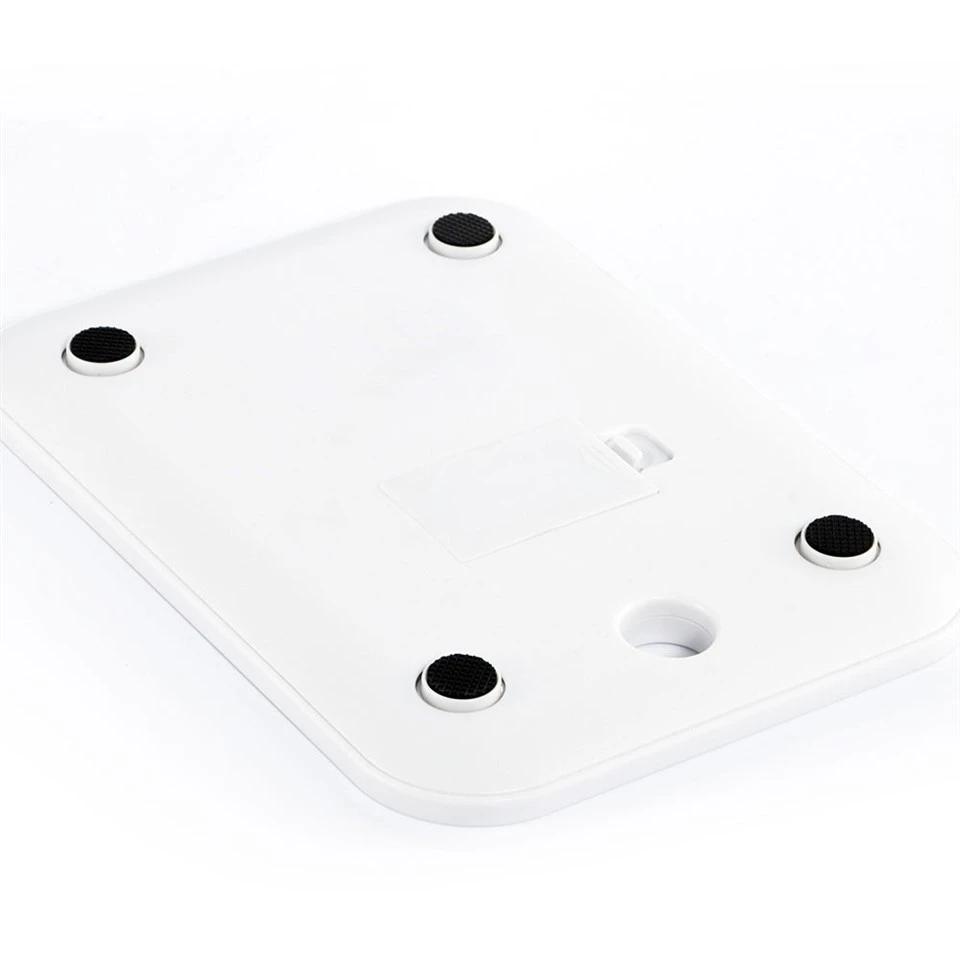

How Temperature Affects Kitchen Scale Accuracy
To understand the importance of temperature compensation, it's essential to first grasp how temperature affects the accuracy of a kitchen scale. Most kitchen scales use strain gauge load cells to measure weight. These load cells consist of a metal beam with strain gauges attached to it. When a weight is placed on the scale, the beam flexes, and the strain gauges detect the change in resistance, which is then converted into a weight reading.
However, metal expands and contracts with temperature changes. When the temperature rises, the metal beam in the load cell expands, causing it to flex more than it would at a lower temperature. This can result in a higher weight reading than the actual weight of the object being measured. Conversely, when the temperature drops, the metal beam contracts, leading to a lower weight reading.
This temperature-induced error can be significant, especially in commercial kitchens or when precise measurements are required. For example, in baking, a small error in the amount of flour or sugar can significantly affect the outcome of a recipe. A cake may turn out too dry or too moist, or a loaf of bread may not rise properly.
The Role of Temperature Compensation
The temperature-compensation function in a kitchen scale addresses this issue by continuously monitoring the temperature and adjusting the weight readings accordingly. This is typically achieved through the use of a thermistor, a type of resistor whose resistance changes with temperature. The thermistor is placed near the load cell, and it provides the scale's microcontroller with information about the current temperature.
Based on this temperature data, the microcontroller uses a pre-programmed algorithm to adjust the weight readings. The algorithm takes into account the known expansion and contraction characteristics of the load cell's metal beam, as well as the specific temperature coefficients of the materials used in the scale. By making these adjustments in real-time, the scale can maintain a high level of accuracy, even in the face of significant temperature variations.
Benefits of Temperature Compensation in a Kitchen Scale
The benefits of having a temperature-compensated kitchen scale are numerous, both for professional chefs and home cooks.
1. Improved Accuracy
The most obvious benefit of temperature compensation is improved accuracy. With this feature, the scale can provide consistent and reliable measurements, regardless of the temperature in the kitchen. This is especially important for recipes that require precise measurements, such as those in baking or molecular gastronomy.
2. Consistency in Recipes
When cooking or baking, consistency is key. A temperature-compensated scale ensures that you can replicate your favorite recipes with the same results every time. Whether you're making a batch of cookies or a complex sauce, you can trust that the scale will give you accurate measurements, leading to consistent and delicious outcomes.
3. Time and Cost Savings
In a commercial kitchen, time is money. Inaccurate measurements can lead to wasted ingredients, as chefs may need to discard batches of food that don't meet the desired standards. A temperature-compensated scale helps to minimize these errors, reducing waste and saving both time and money.
4. Versatility
A kitchen scale with temperature compensation can be used in a wide range of environments and conditions. Whether you're working in a hot, steamy kitchen or a cold, refrigerated storage area, the scale will still provide accurate readings. This makes it a versatile tool for any cooking or baking task.
Our Stainless Steel Kitchen Scale with Temperature Compensation
At our company, we understand the importance of accuracy and reliability in a kitchen scale. That's why we're proud to offer a Stainless Steel Kitchen Scale with a built-in temperature-compensation function.
Our stainless steel kitchen scale is not only durable and easy to clean but also highly accurate, thanks to its advanced temperature-compensation technology. The scale features a large, easy-to-read LCD display and a tare function, which allows you to zero out the weight of a container and measure only the contents.
In addition to its temperature-compensation function, our kitchen scale also offers a range of other features, such as multiple weighing units (grams, ounces, pounds, etc.), a low-battery indicator, and an auto-off function to conserve power.
Conclusion
In conclusion, the temperature-compensation function in a kitchen scale plays a crucial role in ensuring accurate and consistent measurements. Whether you're a professional chef or a home cook, investing in a kitchen scale with this feature can make a significant difference in the quality of your cooking and baking.
If you're interested in learning more about our Stainless Steel Kitchen Scale or other products in our range, please feel free to contact us. We'd be happy to discuss your specific needs and help you find the perfect kitchen scale for your requirements.
References
- Smith, J. (2020). The Science of Kitchen Scales. Journal of Kitchen Technology, 15(2), 34 - 42.
- Brown, A. (2019). Temperature Effects on Load Cells in Kitchen Scales. International Journal of Precision Measurement, 22(3), 56 - 63.