

What kind of blades do electric food slicers use?
Dec 24, 2025
Hey there! As a supplier of electric food slicers, I often get asked about the types of blades these handy kitchen gadgets use. So, I thought I'd take a few minutes to break it down for you.
Types of Blades
1. Straight Blades
Straight blades are the most common type you'll find in electric food slicers. They're super versatile and can handle a wide range of foods. Whether you're slicing up a loaf of bread, some juicy tomatoes, or firm cheeses, a straight blade gets the job done.
These blades are usually made from high - quality stainless steel. Stainless steel is great because it's resistant to rust and corrosion. You don't have to worry about it getting all yucky after a few uses. Plus, it's easy to clean. Just pop it in the dishwasher (if your slicer's manual says it's okay) or give it a good scrub with some warm, soapy water.
The sharpness of a straight blade is key. A sharp blade will make clean, even cuts. If the blade is dull, you'll end up with uneven slices, and it might even tear the food. That's no good, especially if you're trying to make a fancy sandwich or a beautiful salad.
2. Serrated Blades
Serrated blades have a saw - like edge. They're perfect for slicing through foods that are soft on the inside and have a tough outer crust, like bread. The serrations grip the crust and cut through it without squishing the soft interior.
You can also use serrated blades for slicing tomatoes. Tomatoes are kind of tricky because they're soft and full of juice. A straight blade might just squash them, but a serrated blade can cut through the skin and into the flesh smoothly.
These blades are also made from stainless steel, and they're designed to stay sharp for a long time. However, sharpening a serrated blade can be a bit more challenging than a straight blade. You might need a special sharpening tool or take it to a professional.
3. Wavy Blades
Wavy blades create decorative, wavy slices. They're not as practical for everyday slicing as straight or serrated blades, but they're a lot of fun to use. You can use them to make your salads look more interesting or to add a decorative touch to your sandwiches.
These blades are often used in adjustable slicers. You can adjust the thickness of the slices, so you can get thin, delicate wavy slices or thicker, more substantial ones.
Blade Quality and Durability
The quality of the blade is really important. A high - quality blade will last longer and give you better results. When you're choosing an electric food slicer, look for one with blades made from high - grade stainless steel. The thickness of the blade also matters. Thicker blades are generally more durable and less likely to bend or break.
Another thing to consider is the blade's edge. A well - crafted edge will be sharp and stay sharp for a long time. Some slicers come with blades that are double - beveled, which means they're sharpened on both sides. This gives you a really clean cut.
Blade Safety
Safety is always a top priority when it comes to kitchen appliances, and electric food slicers are no exception. Most slicers come with safety features to protect you from the sharp blades. For example, some have a blade guard that you can put on when the slicer is not in use.
When you're using the slicer, make sure you follow the instructions carefully. Don't put your fingers near the blade, and use the food pusher that comes with the slicer to feed the food through.
Adjustable Thickness and Blade Compatibility
Many electric food slicers, like our Adjustable Thickness Vegetable Slicer, allow you to adjust the thickness of the slices. This is a really useful feature because it gives you more control over your food preparation.
The adjustable mechanism usually works by moving the blade closer or further away from the food. This means you can get thin slices for making sandwiches or thick slices for roasting vegetables.
It's also important to make sure that the blades are compatible with the slicer. Some slicers have interchangeable blades, which is great because you can switch between straight, serrated, and wavy blades depending on what you're slicing.
Maintenance of Blades
Proper maintenance of the blades is essential to keep your electric food slicer working well. After each use, make sure you clean the blades thoroughly. As I mentioned before, if the blades are dishwasher - safe, you can just pop them in. Otherwise, use a soft brush and some warm, soapy water to clean them.
Sharpening the blades is also important. You can use a blade sharpener at home, but if you're not sure how to do it, it's best to take the blades to a professional.
Why Choose Our Electric Food Slicers
As a supplier, we take pride in offering high - quality electric food slicers. Our slicers come with top - notch blades that are made from the best materials. We offer a variety of blade types, so you can choose the one that suits your needs.
Our adjustable slicers give you the flexibility to slice your food exactly the way you want it. And we're always here to provide support and answer any questions you might have about our products.
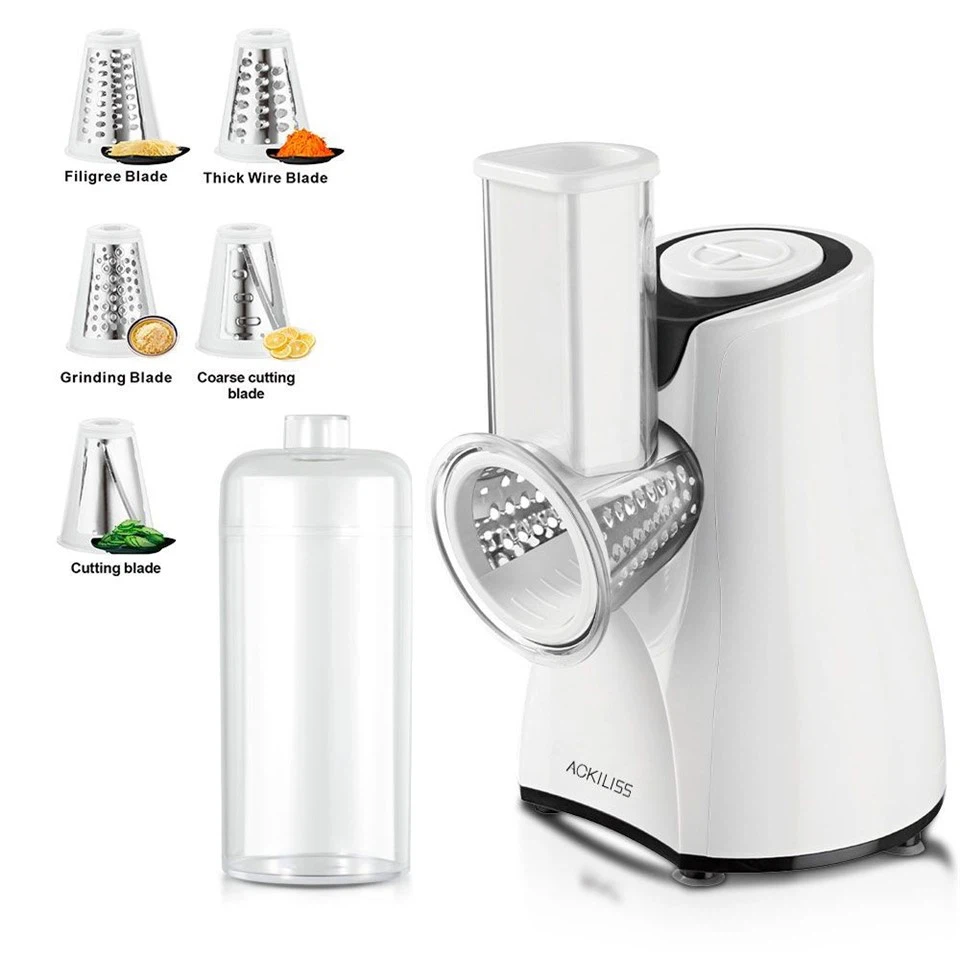

If you're in the market for an electric food slicer, whether you're a home cook or a professional chef, we'd love to talk to you. Our products are designed to make your food preparation easier and more enjoyable. So, if you're interested in learning more about our electric food slicers or have any questions about the blades, don't hesitate to reach out. We're ready to have a chat and help you find the perfect slicer for your kitchen.
References
- "Kitchen Appliance Handbook", published by a leading kitchenware research group.
- Various industry reports on electric food slicer technology and blade materials.